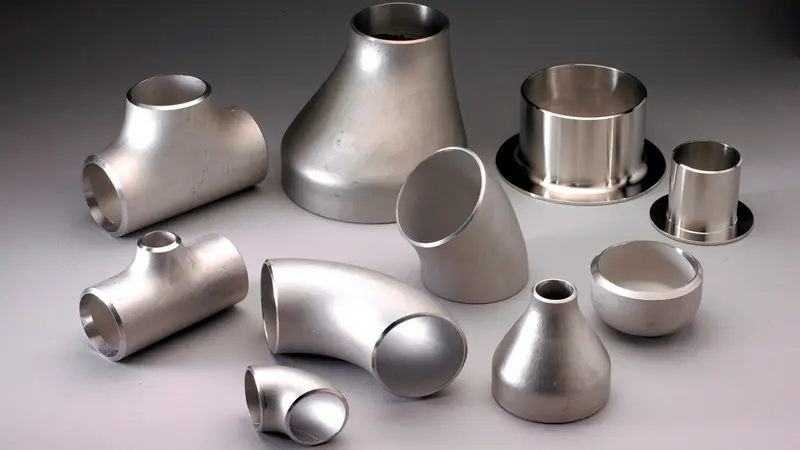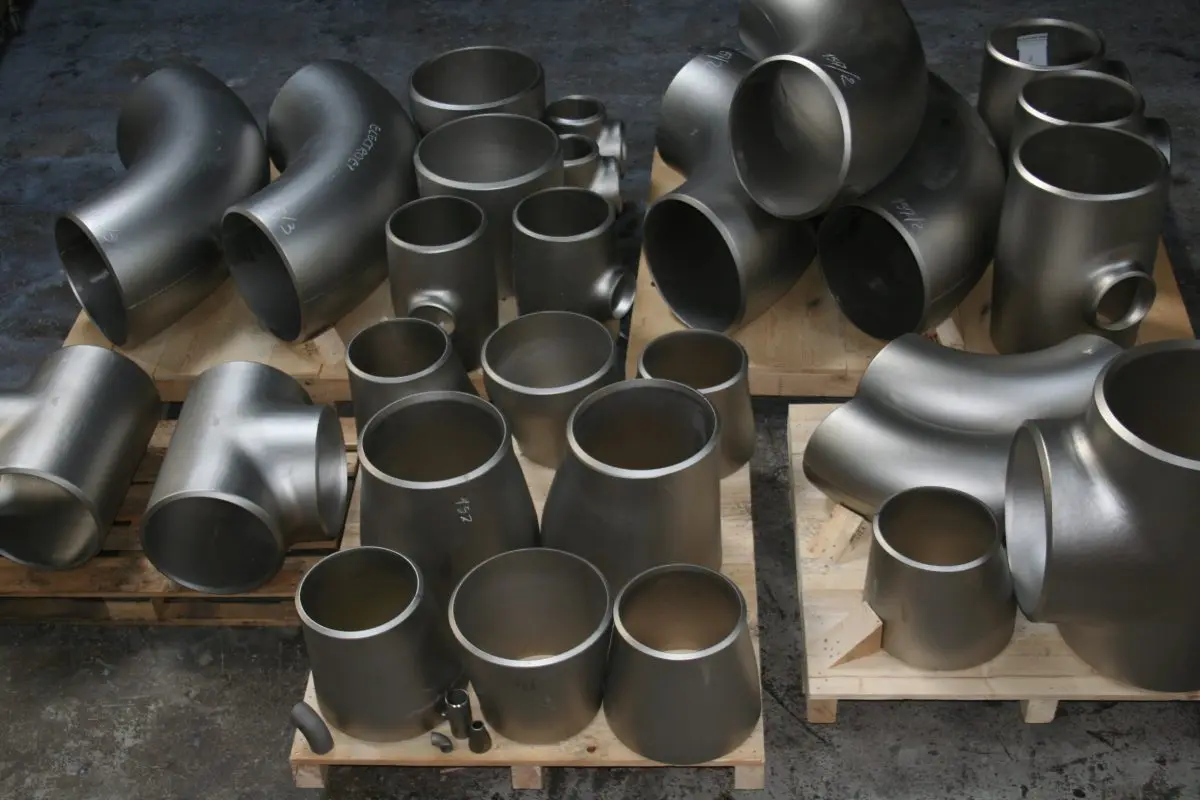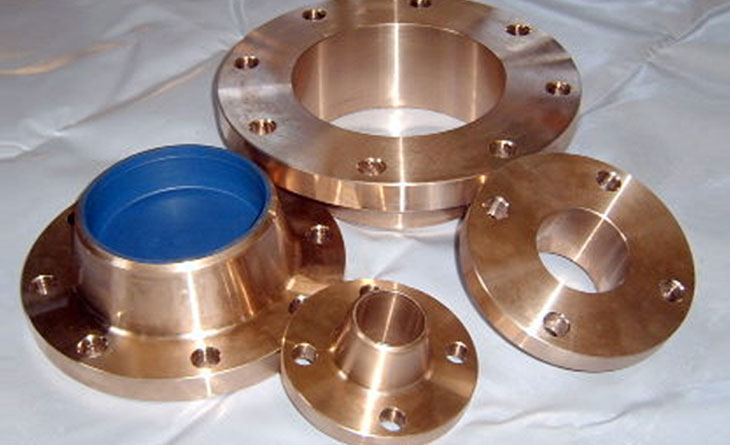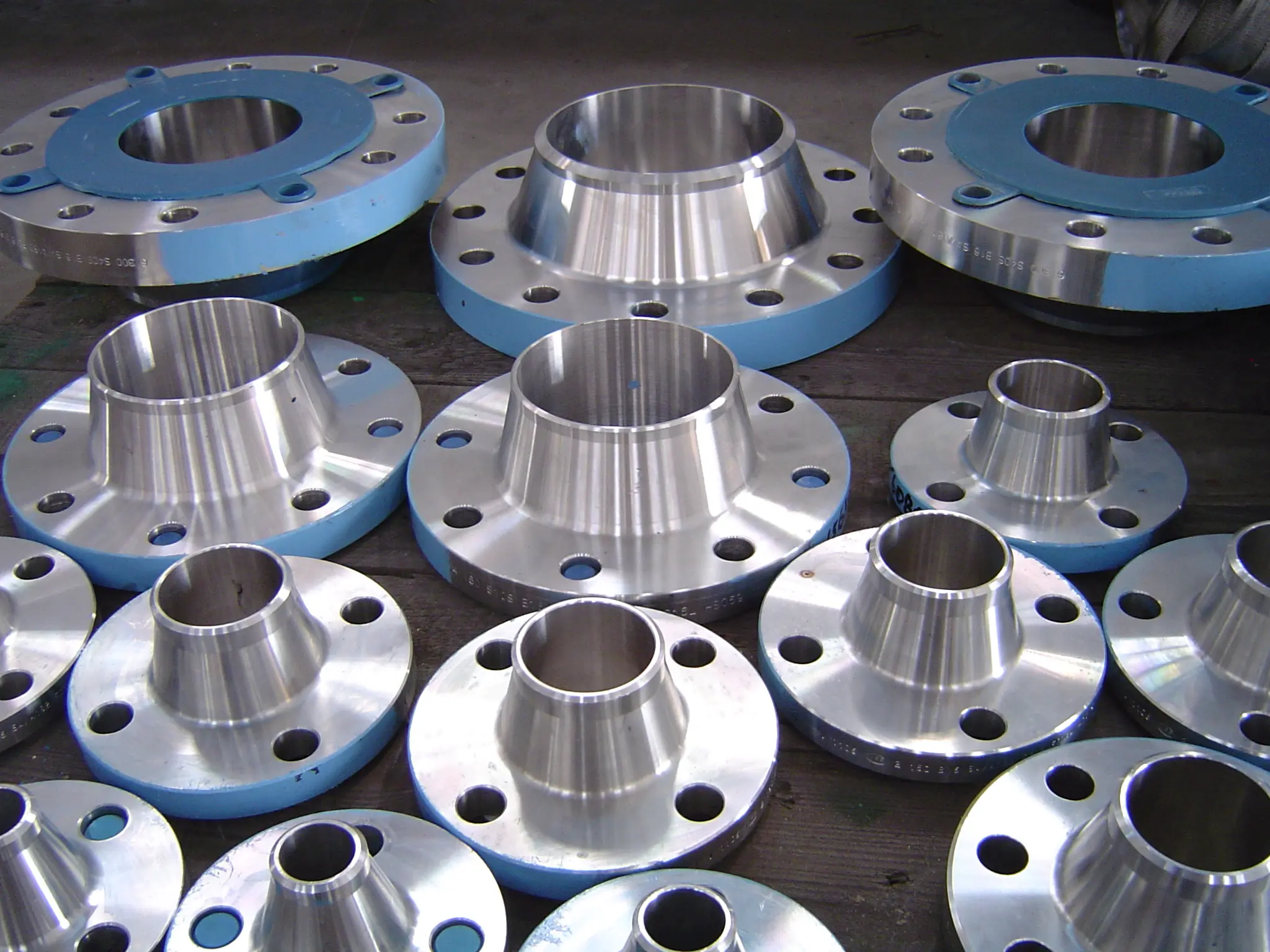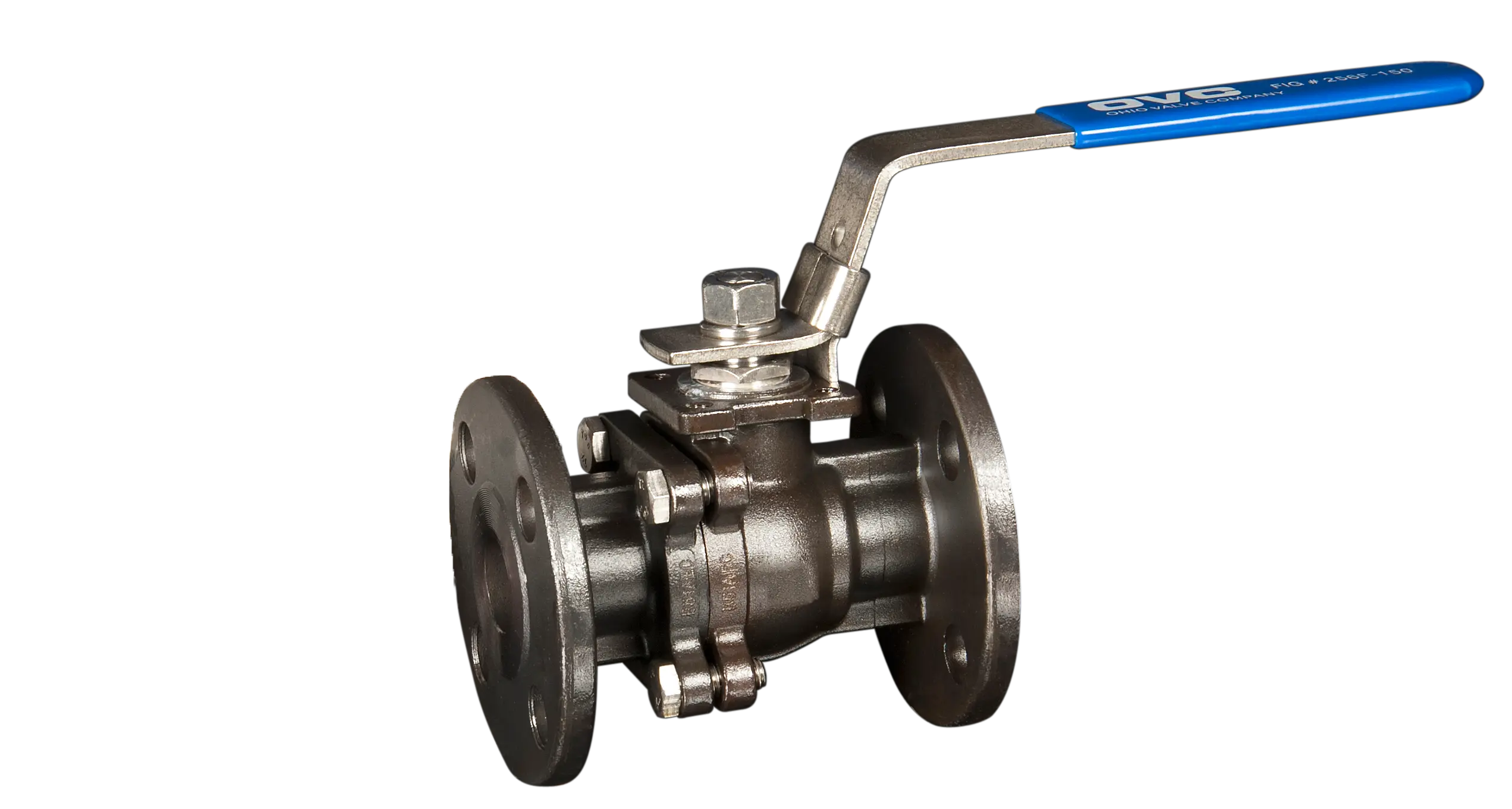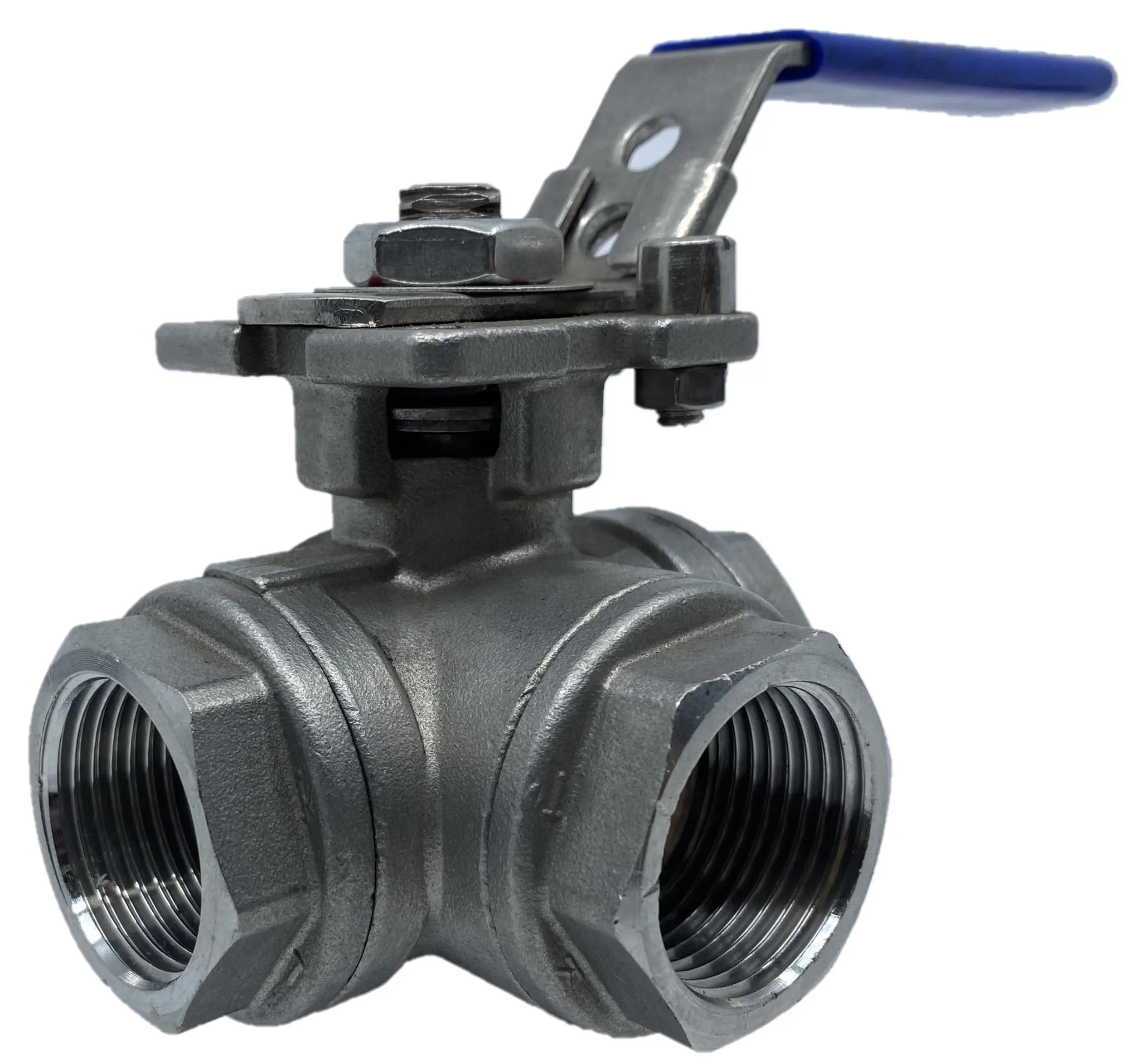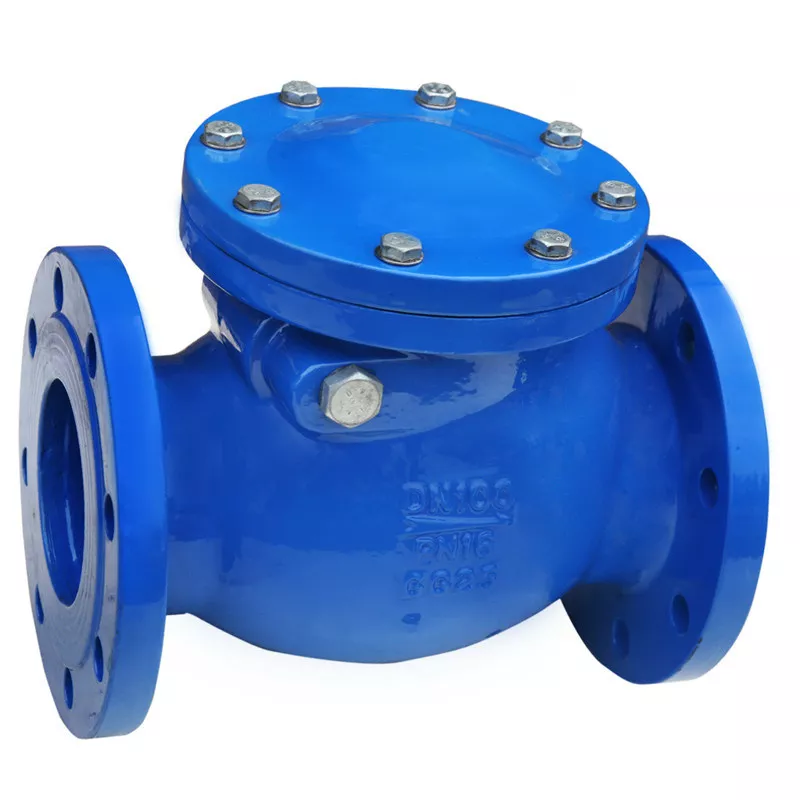
Comprehensive range of pipeline solutions including pipes, fittings, flanges, and valves for the oil and gas industry.
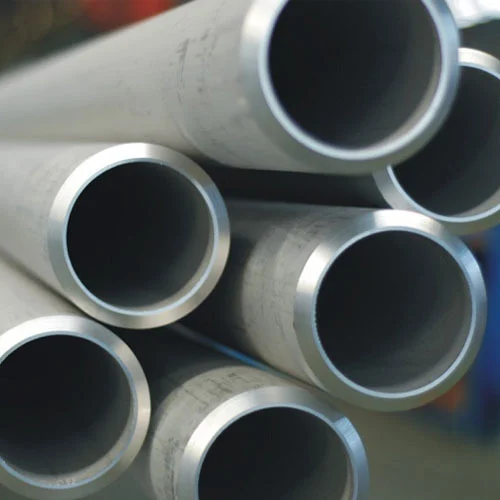
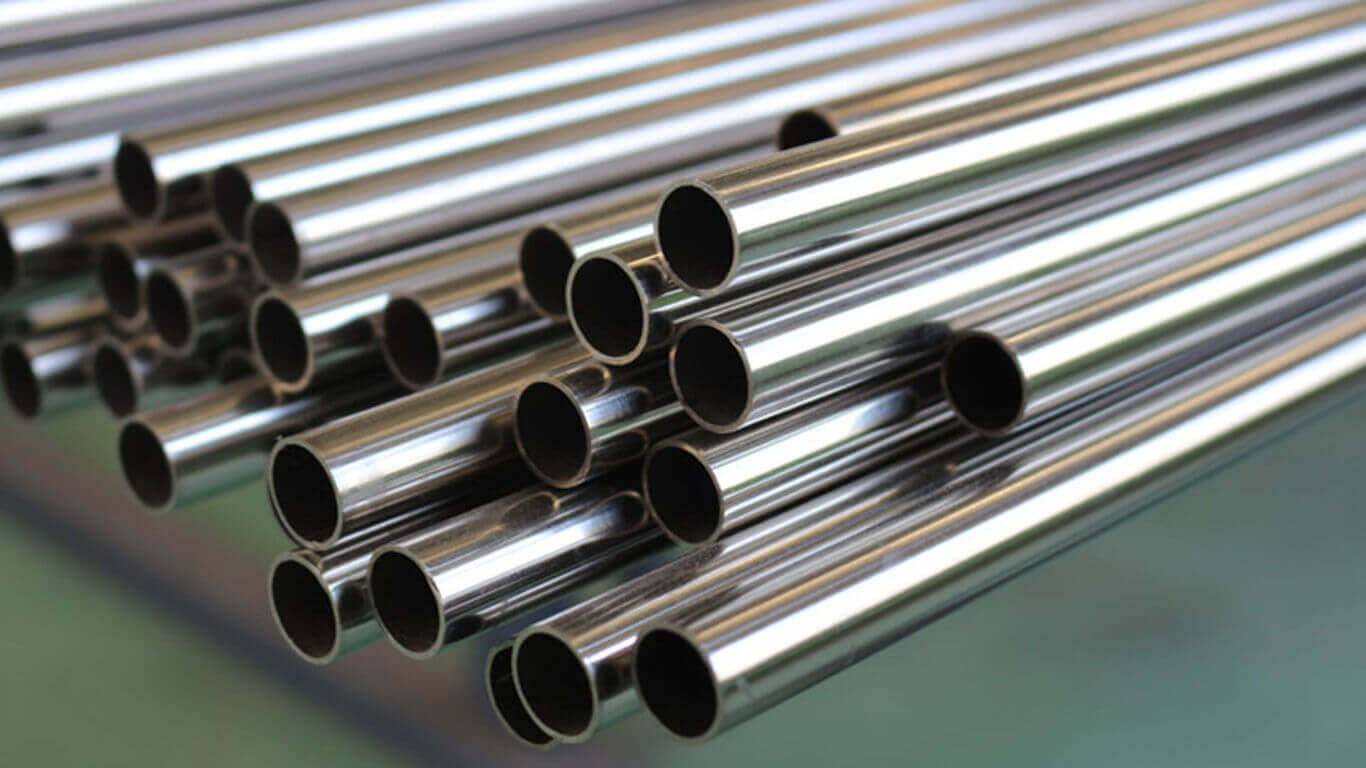
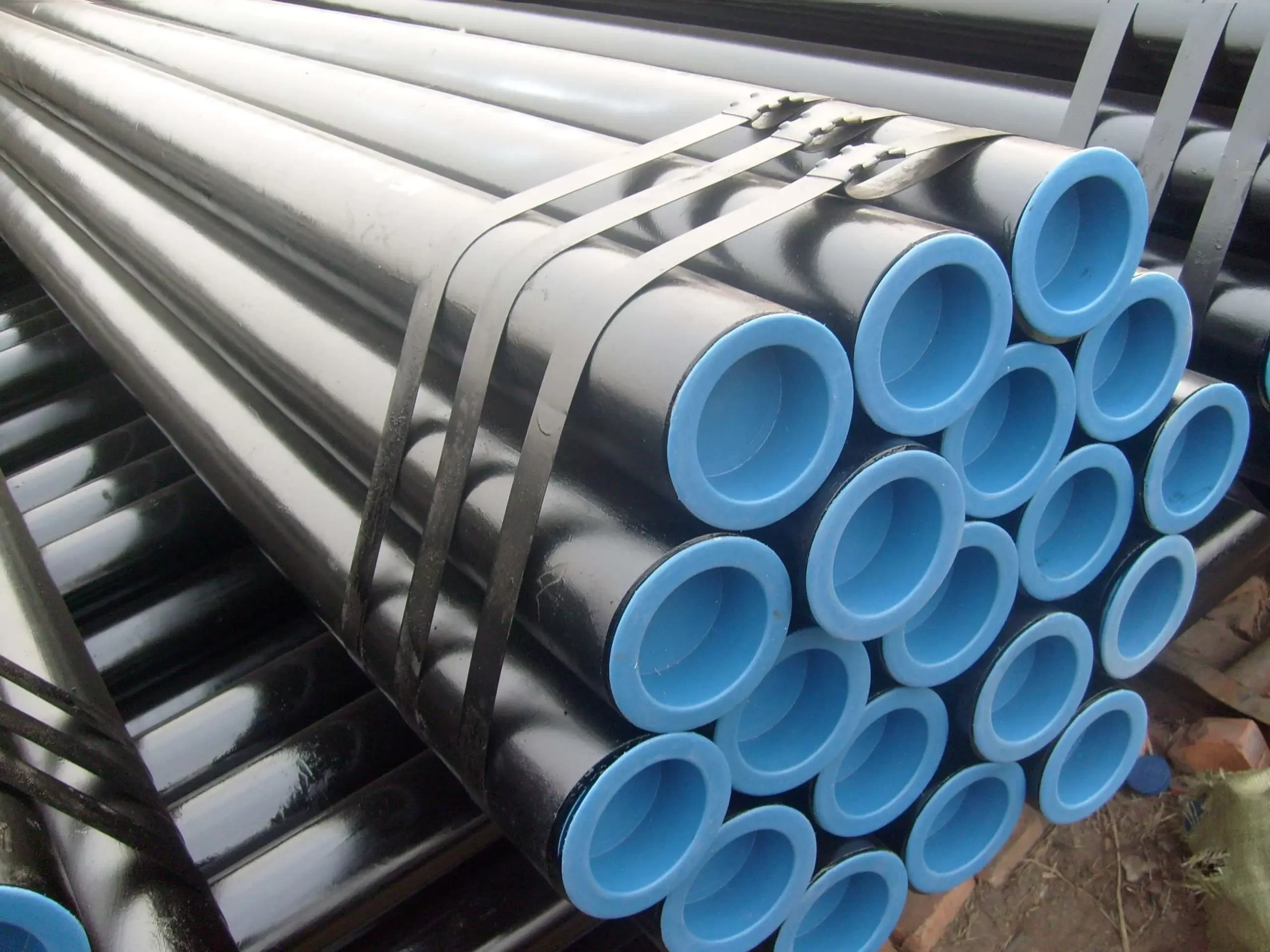
Pipes are tubular conduits used to transport fluids (liquids or gases) from one place to another. They come in various materials such as metal (carbon steel, stainless steel, copper), plastic (PVC, CPVC, HDPE), and composite materials. Pipes are available in different sizes and thicknesses depending on the application and required pressure ratings.
Carbon steel pipes: Carbon steel pipes are commonly used in various industries due to their strength, durability, and cost-effectiveness. They come in different grades, each tailored to specific applications and operating conditions. Here are some commonly used carbon steel pipe grades:
Stainless steel pipes: Stainless steel pipes are widely used in various industries due to their corrosion resistance, durability, and strength. There are numerous grades of stainless steel, each with its own unique properties suited for specific applications. Here are some common stainless steel pipe grades:
Duplex and super duplex stainless-steel pipes: Duplex and super duplex stainless-steel pipes are highly sought after for their exceptional corrosion resistance and mechanical properties, making them ideal for applications in aggressive environments such as offshore oil and gas production, chemical processing, and marine engineering. Here are some common grades of duplex and super duplex pipes:
These duplex and super duplex stainless-steel grades offer a unique combination of high strength, excellent corrosion resistance, and durability, making them preferred materials for critical applications in challenging environments. The selection of the appropriate grade depends on factors such as the specific application, operating conditions, required corrosion resistance, and mechanical properties.
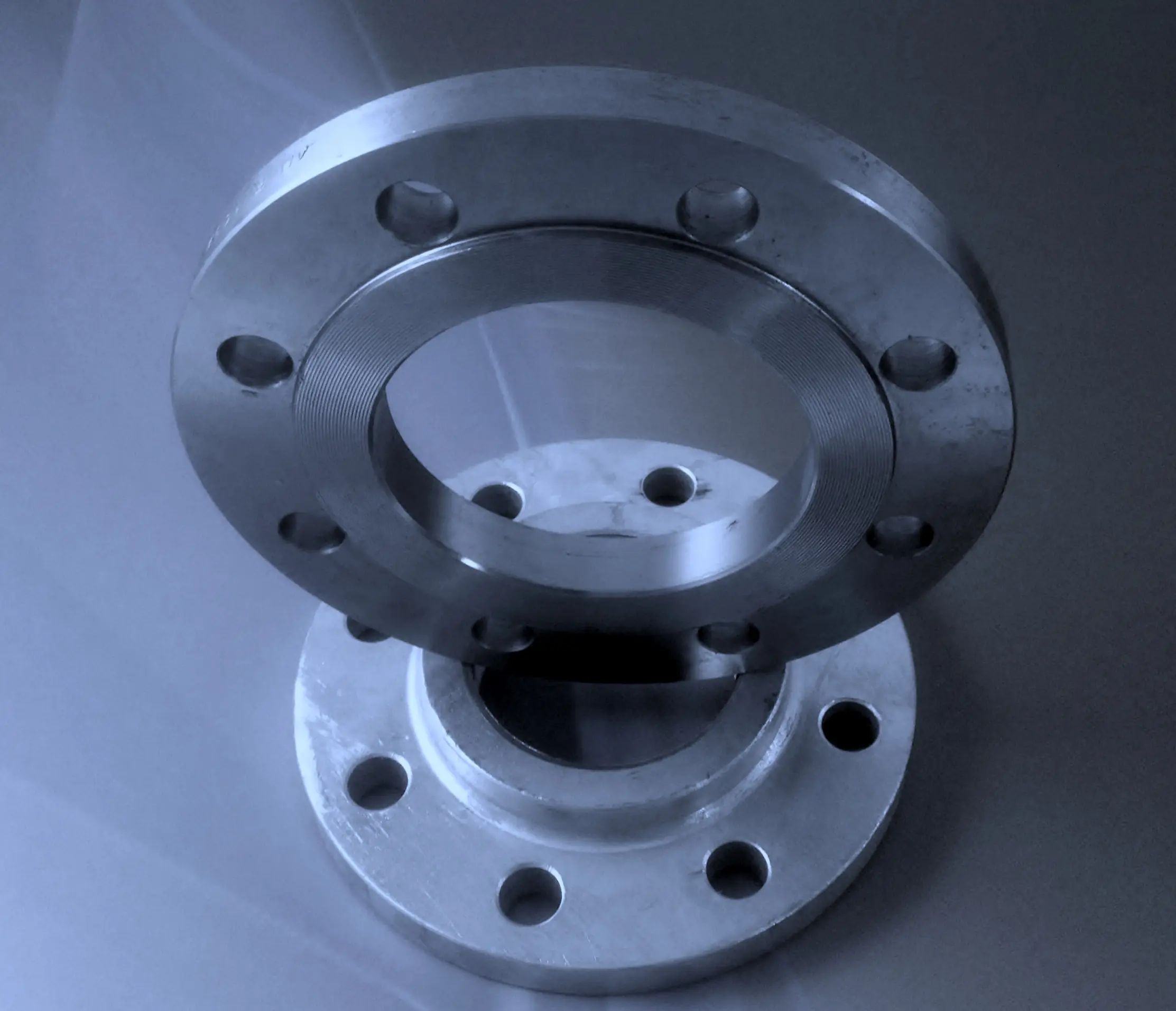
Flanges are flat, circular disks with evenly spaced bolt holes around the perimeter. They are used to connect pipes, valves, pumps, and other equipment to form a piping system. Flanges provide a means for easy assembly, disassembly, and maintenance of the system. They come in different types such as weld neck, slip-on, socket weld, and blind flanges, and are available in various materials to suit different operating conditions.
Manufacturer Names:
Carbon Steel Flanges:
Stainless Steel Flanges:
Alloy Steel Flanges:
Duplex and Super Duplex Stainless Steel Flanges:
Nickel Alloy Flanges:
Copper Nickel Flanges:
Titanium Flanges:
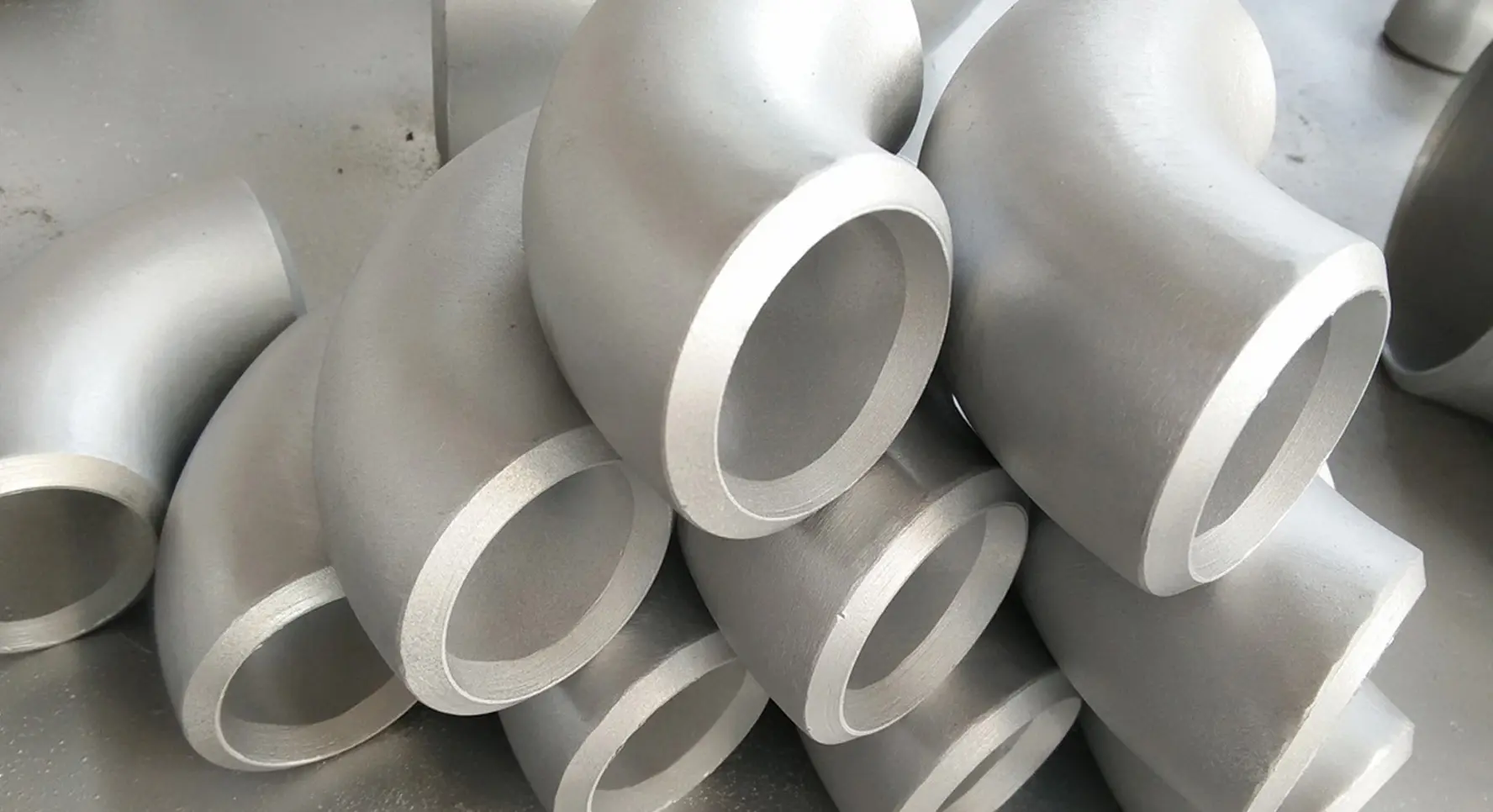
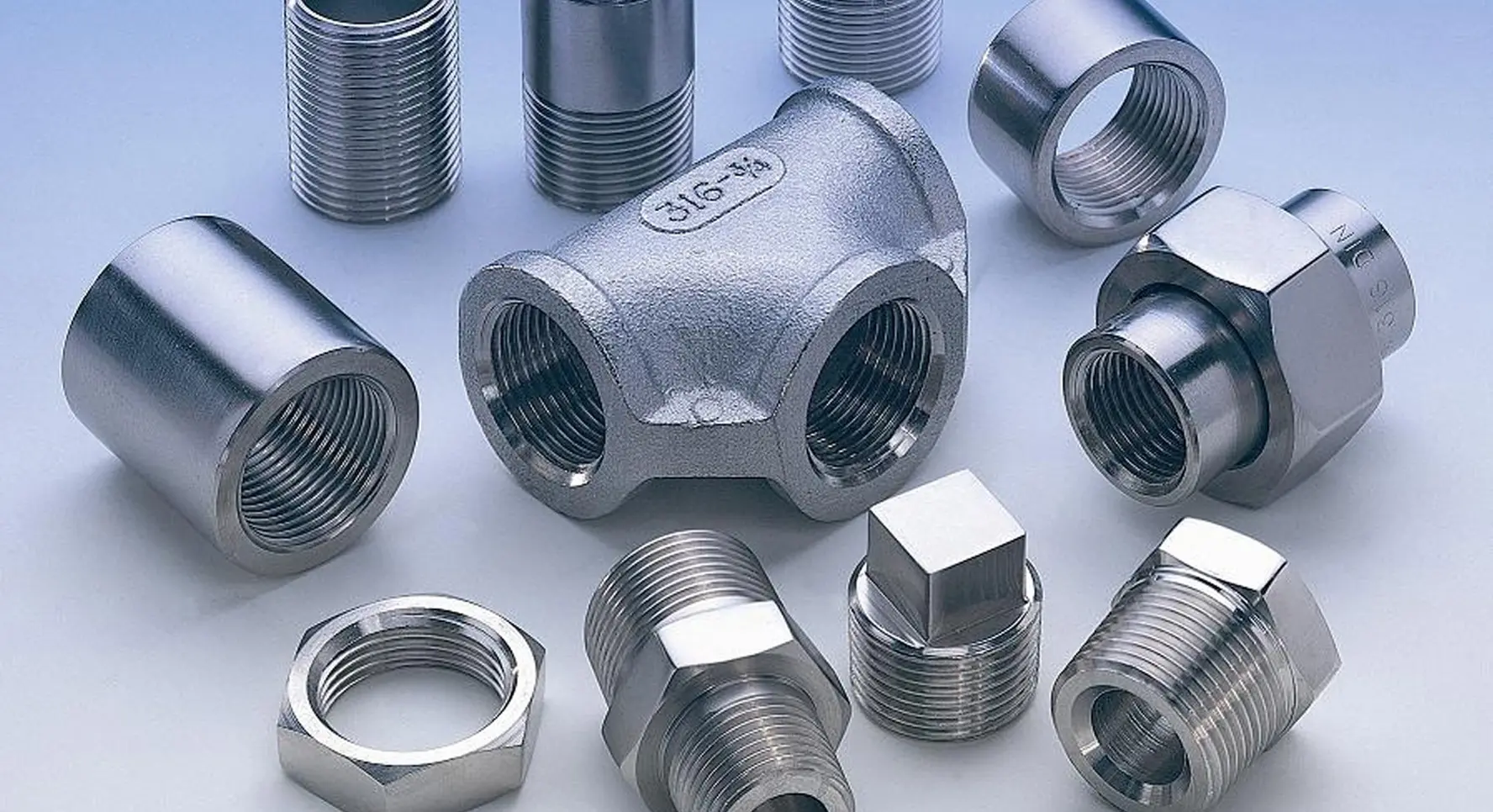
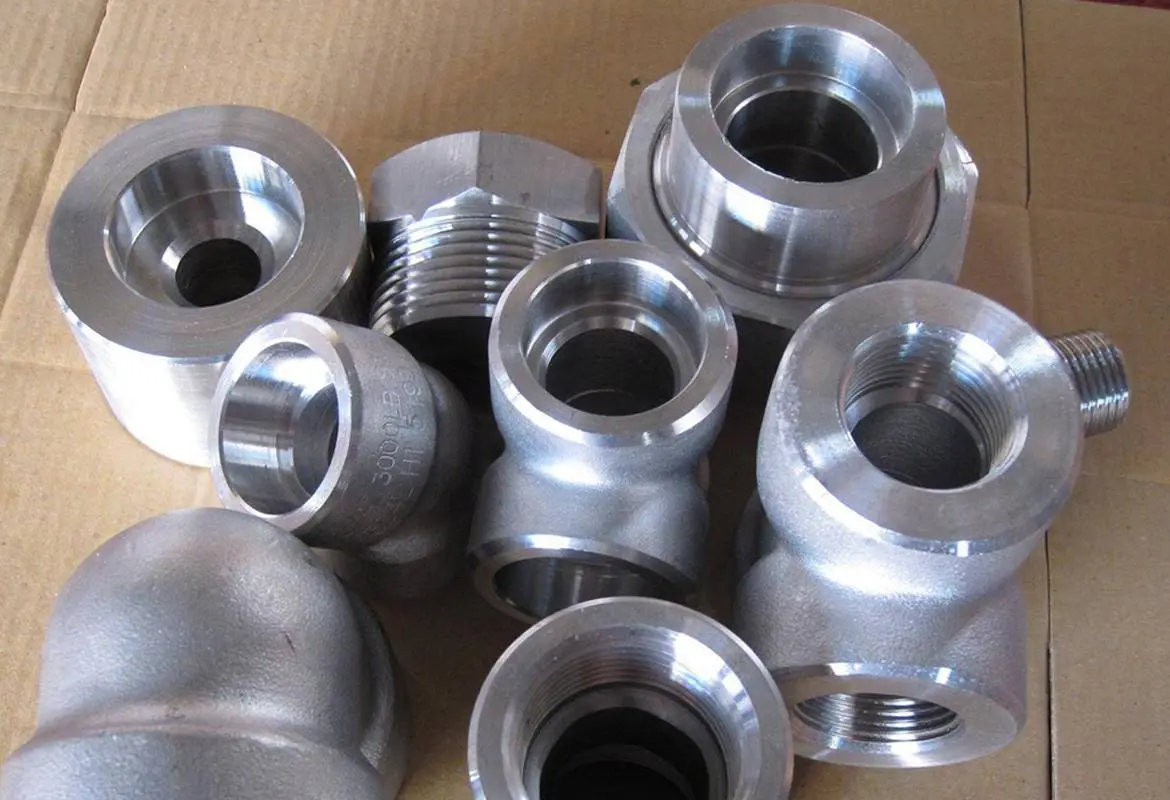
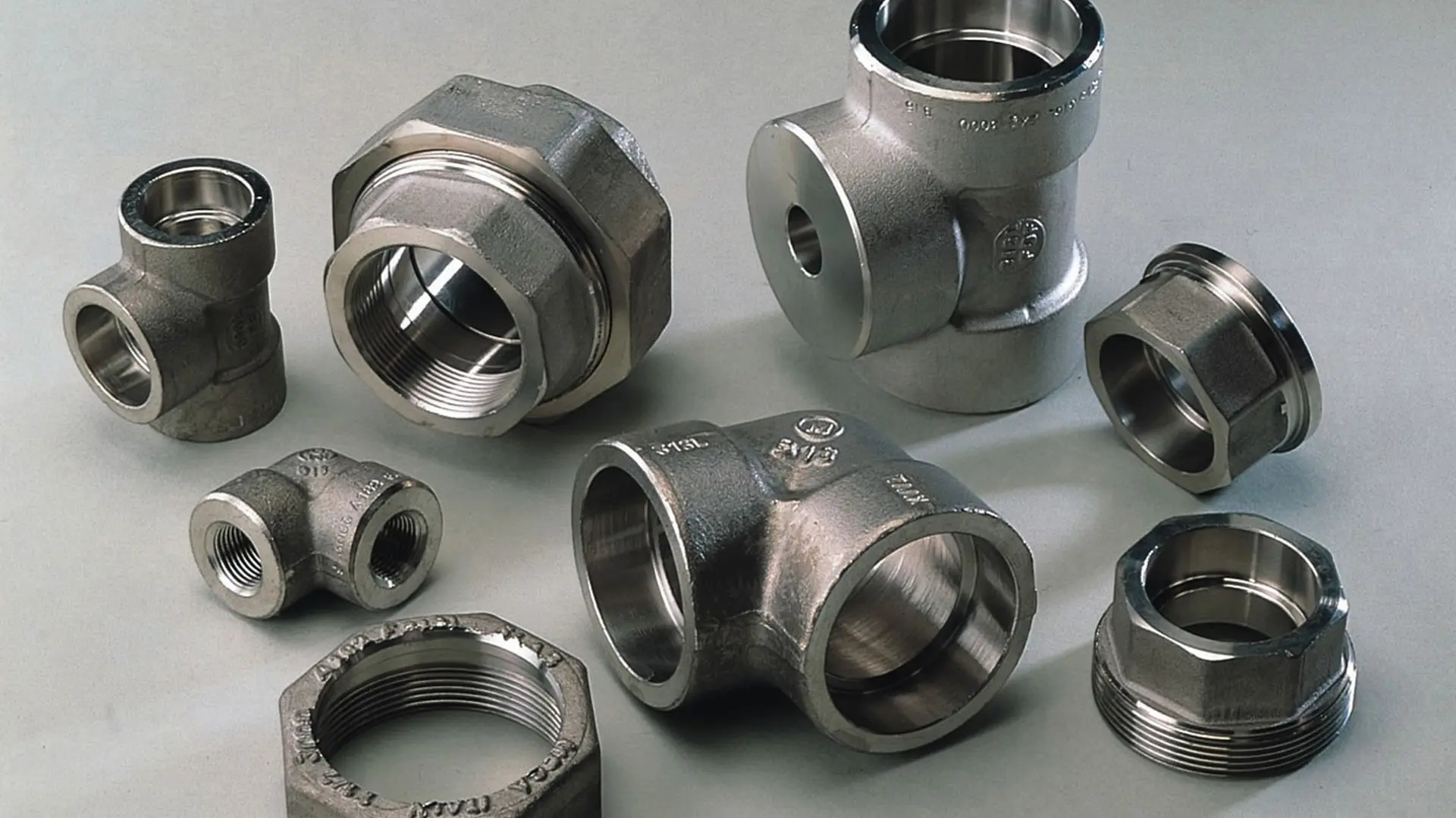
Forged fittings are fittings that are manufactured by forging solid pieces of metal into desired shapes. They are known for their strength, durability, and resistance to high temperatures and pressures. Common types of forged fittings include elbows, tees, crosses, couplings, and unions. Forged fittings are often used in high-pressure piping systems such as oil and gas, chemical processing, and power generation industries.
Manufacturer Name:
Forged fittings, like flanges, are also classified by their material grade, indicating their composition and suitability for different applications. Here are some common grades for forged fittings:
Carbon Steel Forged Fittings:
Alloy Steel Forged Fittings:
Stainless Steel Forged Fittings:
Duplex and Super Duplex Stainless Steel Forged Fittings:
Nickel Alloy Forged Fittings:
Copper Nickel Forged Fittings:
Titanium Forged Fittings:
Valves are devices used to control the flow of fluids within a piping system by opening, closing, or partially obstructing the passage of the fluid. They are essential for regulating flow rates, controlling pressure, and isolating sections of the piping system. Valves come in various types such as gate valves, globe valves, ball valves, butterfly valves, and check valves, each suited for specific applications and operating conditions.
1. Cast Iron Valves: Cast iron valves are generally the most economical option and are suitable for lower-pressure applications. They are commonly used in water supply, HVAC systems, and some industrial processes.
2. Ductile Iron Valves: Ductile iron valves offer greater strength and durability compared to cast iron valves. They are suitable for higher-pressure applications such as oil and gas pipelines, power plants, and wastewater treatment plants.
3. Carbon Steel Valves: Carbon steel valves are known for their strength and resistance to corrosion. They are often used in high-pressure and high-temperature applications in industries like oil and gas, petrochemicals, and power generation.
4. Stainless Steel Valves: Stainless steel valves offer excellent corrosion resistance and are commonly used in industries where hygiene and corrosion resistance are critical, such as food and beverage, pharmaceuticals, and chemical processing.
5. Alloy Steel Valves: Alloy steel valves are designed to withstand extreme temperatures and pressures. They are commonly used in demanding applications in industries such as aerospace, nuclear, and chemical processing.
6. Brass Valves: Brass valves are often used in plumbing systems, water supply, and low-pressure applications where corrosion resistance and cost-effectiveness are important factors.
7. Bronze Valves: Bronze valves offer good corrosion resistance and durability. They are commonly used in marine applications, seawater handling, and certain industrial processes.
8. Plastic Valves: Plastic valves, such as PVC, CPVC, and polypropylene valves, are lightweight, corrosion-resistant, and economical. They are suitable for a wide range of applications in industries such as water treatment, chemical processing, and semiconductor manufacturing.
Gaskets are essential components used to create a seal between two surfaces, preventing leaks of liquids or gases under compression. They come in various types and grades, each suited to different applications based on factors like temperature, pressure, chemical resistance, and sealing efficiency. Here’s an overview of the types and grades of gaskets commonly used: